
Low-Code and No-Code Platforms for Developers
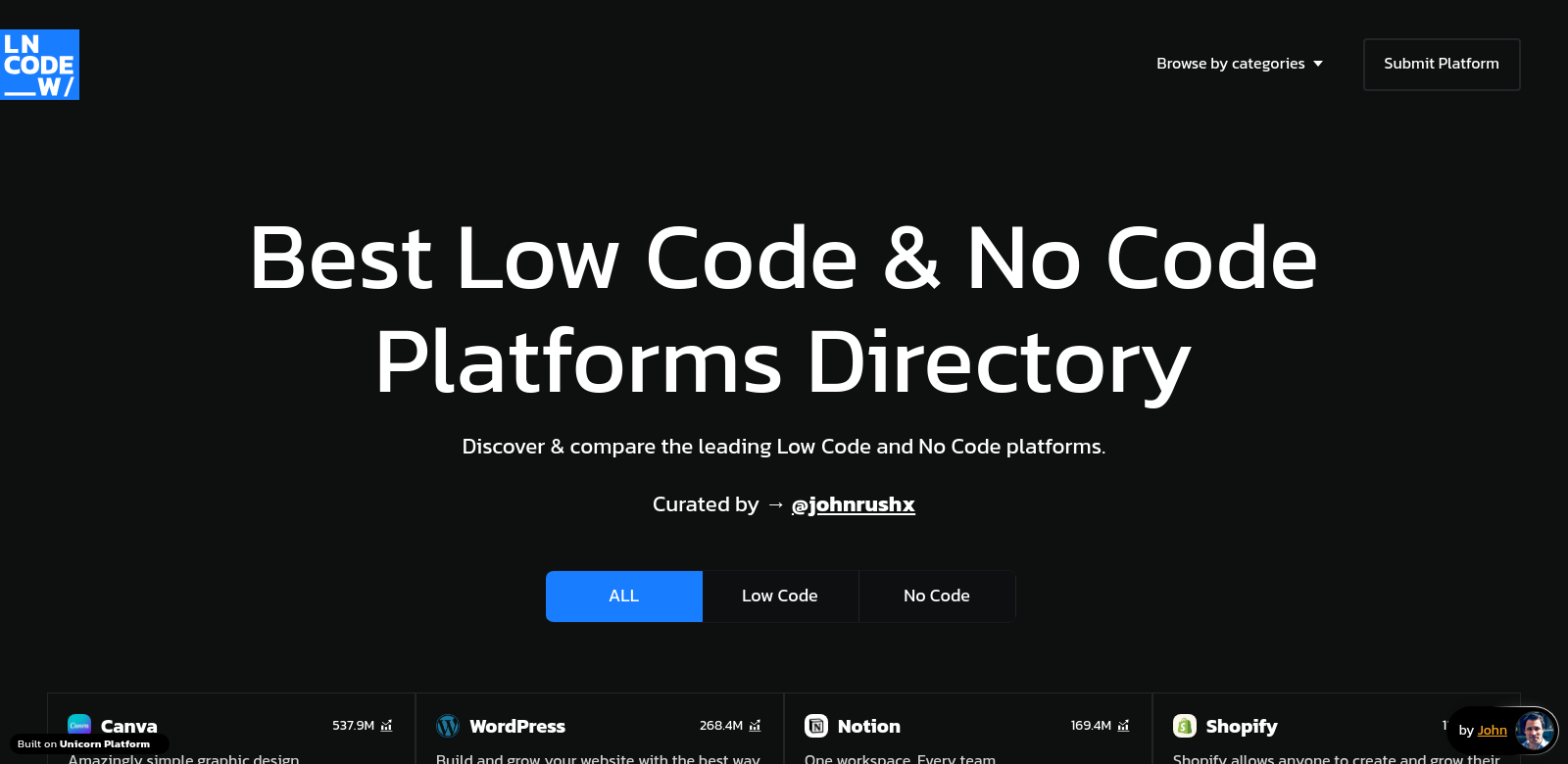
Low-code and no-code platforms are changing how we build software. They let people create apps using visual tools, often without needing much coding skill. This means everyone from experienced developers who want to speed things up to business folks with an idea can build working applications without waiting for the IT department. Knowing what's out there helps organizations pick the right tools to boost productivity and spark new ideas. For more tool info, LowCodeNoCode.org is a good place to start.
Who Uses Low-Code and No-Code Platforms?
These platforms appeal to different groups, each with their own needs and skills:
-
Business Analysts: Analysts often get stuck between what the business needs and what the dev team can actually build. Low-code tools let them quickly prototype apps and automate tasks without deep coding knowledge. This speeds up development and helps ensure business requirements get met fast.
-
Small Business Owners: Small businesses often don't have the budget for a full-time developer. Low-code and no-code tools give owners a way to build simple apps or websites that fit their business, helping them connect with customers.
-
IT Departments: IT teams are usually swamped with requests. Low-code platforms can ease this by letting other departments handle some development themselves. This "democratization" helps clear backlogs and encourages new ideas, as non-developers can build their own tools.
-
Marketing Teams: Marketers can use no-code tools to quickly build landing pages, interactive content, and test customer engagement without needing developers. This means they can update and adapt campaigns fast.
-
Educational Institutions: Schools and universities are starting to use low-code platforms to make custom tools,