
Revolutionizing Manufacturing with Smart Factory Solutions
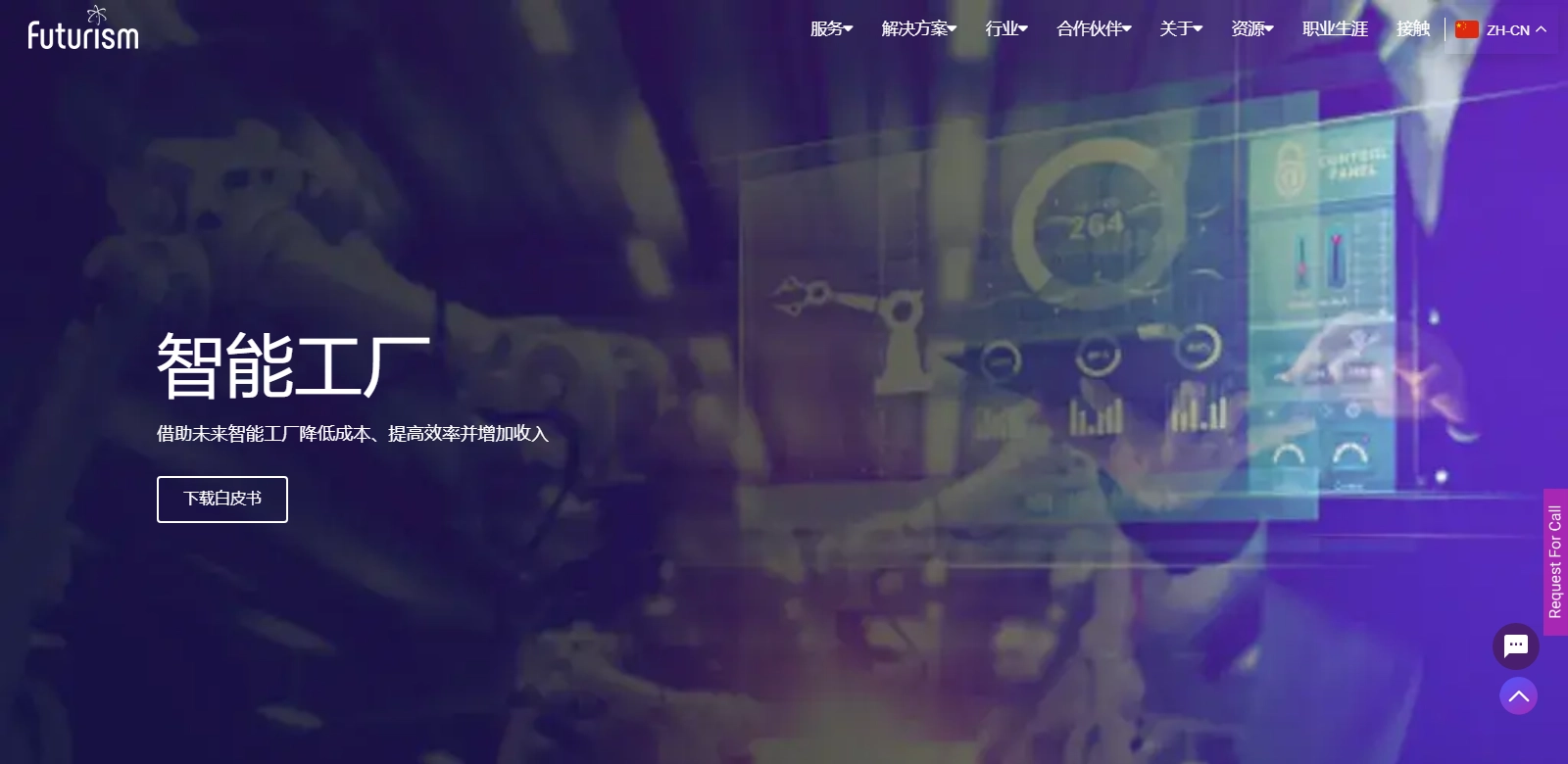
The rise of smart manufacturing has transformed the landscape of industrial operations, enabling factories to harness advanced technologies for automation, data integration, and efficiency enhancement. At the forefront of this revolution is the concept of the Smart Factory, characterized by interconnected machines, systems, and processes that communicate and operate cohesively to optimize production and reduce waste. The shift toward smart manufacturing represents a significant leap forward, allowing businesses not only to streamline their operations but also to respond swiftly to the ever-evolving demands of the market. With the integration of IoT, AI, and machine learning, manufacturers can achieve unprecedented levels of productivity and insight.
Customers of Smart Manufacturing
Understanding the target audience is essential for any business operating in the smart factory space. The following customer segments benefit significantly from smart manufacturing solutions:
-
Large Enterprises:
Large manufacturing companies often grapple with complex operations requiring substantial automation and integration. Smart factory solutions enable these enterprises to synchronize processes, reduce lead times, and enhance quality control. They can leverage data analytics to predict equipment failures and schedule maintenance proactively. -
Small and Medium-Sized Enterprises (SMEs):
SMEs can struggle with resource constraints. Implementing smart manufacturing solutions can empower these businesses to compete with larger players by maximizing their operational efficiency. Automation platforms tailored for SMEs allow for cost-effective scalability and improved inventory management, making them vital in the increasingly competitive landscape. -
Automotive Manufacturers:
The automotive industry demands precise and consistent production processes. Smart factories introduce enhanced tracking mechanisms and robotics for assembly lines, enabling manufacturers to achieve higher quality and reduce production errors. Automated inspections and real-time data reporting allow manufacturers to respond immediately to potential issues, ensuring customer satisfaction and safety. -
Consumer Electronics Industry:
The rapid pace of innovation in consumer electronics necessitates aggressive production timelines. Smart manufacturing techniques, such as predictive analytics and real-time monitoring, facilitate faster product development cycles while maintaining quality standards. Companies can utilize these technologies to predict market trends and adjust production schedules accordingly. -
Pharmaceutical Manufacturers:
In pharmaceuticals, adherence to regulatory standards is paramount. Smart factory systems support compliance through automated documentation and tracking systems. This technology not only streamlines operations but also assures the quality and traceability of products, thus enhancing overall safety in manufacturing processes.
Problems and Solution by Smart Factory Solutions
Numerous challenges plague traditional manufacturing environments that smart factory solutions seek to address.
Problems Smart Factory Solutions Found
-
Inefficiency in Operations:
Traditional production methods often lead to significant time and resource waste. Lack of real-time data visibility means that businesses miss opportunities for operational improvements. -
Poor Data Integration:
Many factories operate siloed systems that hinder data sharing and create bottlenecks. The absence of seamless data flow limits an organization’s ability to make informed decisions. -
Inflexibility to Market Changes:
In a rapidly changing market, manufacturers need to quickly adapt production capabilities. Conventional manufacturing systems often lack the agility needed for swift adjustments. -
Quality Control Issues:
Maintaining quality across production lines is a challenge without proper monitoring systems in place. Defective products lead to additional costs in returns and diminished brand reputation. -
High Operational Costs:
Energy inefficiencies, equipment downtime, and waste can significantly inflate operational costs. Organizations require systems to minimize these expenses.
Solution by Smart Factory Solutions
Smart factory solutions effectively address the problems identified above through the implementation of integrated systems featuring automation, real-time data analytics, and predictive capabilities. By utilizing the Internet of Things (IoT), manufacturing equipment can be monitored continuously, providing insights that drive operational improvements. For instance, predictive maintenance tools analyze equipment performance to anticipate failures before they occur, significantly reducing downtime and maintenance costs. Additionally, unified data platforms streamline communication across departments, breaking down silos and creating a transparent workflow.
Automation plays a fundamental role in promoting efficiency and accuracy. Integration of robotics on assembly lines enhances production rates, while advanced quality assurance applications monitor product quality at every step of the manufacturing process, reducing defect rates and ensuring compliance with international standards.
Use Case
Consider a large automotive manufacturer looking to optimize its assembly line operations. By implementing smart factory solutions, the company can install automated guided vehicles (AGVs) to transport materials between different assembly stations, enhancing logistics efficiency. Real-time data collected from IoT sensors installed on production equipment allows the business to analyze bottlenecks and adjust workflows dynamically. This operational flexibility drastically improves turnaround times and meets consumer demand more effectively.
In the consumer electronics sector, a manufacturer can adopt advanced analytics to forecast demand trends and align production accordingly. By utilizing machine learning algorithms, they can predict sales spikes during major shopping periods, ensuring that supply matches demand without overextending inventory costs.
Top Features of Smart Factory Solutions
Smart factory solutions include a range of features designed to enhance operational efficiency, data management, and manufacturing capabilities:
-
IoT Integration:
Real-time monitoring of machinery and supply chains through connected devices ensures data-driven decisions. -
Predictive Maintenance:
Enabling manufacturers to anticipate equipment failures, reducing downtime and associated costs. -
Advanced Analytics:
Utilizing big data to derive valuable insights that can inform production planning and efficiency enhancements. -
Robotics Automation:
Streamlining production processes with automated machinery that increases speed and accuracy. -
Quality Control Systems:
Implementing real-time quality checks through AI tools to minimize defects on production lines.
Frequently Asked Questions with Smart Factory Solutions
-
What are Smart Factories?
Smart factories utilize interconnected technologies to facilitate seamless operations and enhance efficiency. By integrating IoT devices and automation technologies, they allow for real-time data collection and analysis, enabling informed decision-making and streamlined processes. -
How do Smart Factories increase efficiency?
By automating repetitive tasks and utilizing data analytics, smart factories reduce lead times and production costs. Automated systems can react in real-time to information gathered from production lines, thus optimizing workflows and minimizing waste. -
What is the role of IoT in Smart Factories?
The Internet of Things plays a crucial role in connecting various devices within a manufacturing environment. It facilitates data exchange between equipment and management systems, allowing for comprehensive monitoring and control. -
How can my company transition to a Smart Factory?
Transitioning involves assessing current operations, identifying areas for automation, and implementing necessary technologies. Collaborating with technology providers can ensure a smoother integration process tailored to your manufacturing needs. -
What are the benefits of Smart Factory solutions?
Benefits include heightened productivity, reduced operational costs, enhanced product quality, and the ability to quickly scale operations in response to market demands.