
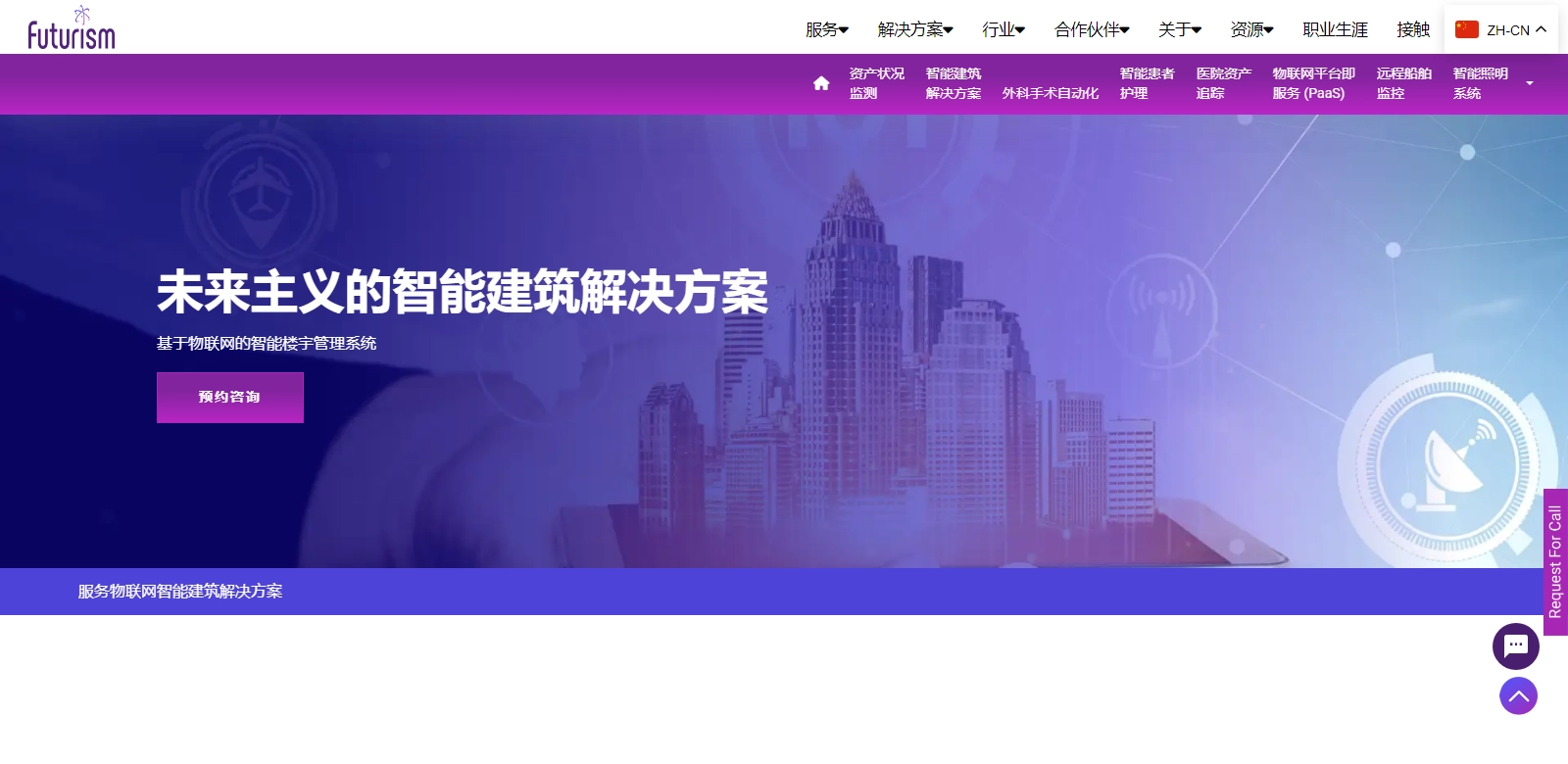
Innovative IoT Solutions for Smart Buildings
As cities grow increasingly populated and urban environments become more complex, IoT Smart Building Solutions emerge to address modern infrastructure challenges. These innovative technologies leverage the Internet of Things to optimize various aspects of building management, from energy consumption to security enhancements, by incorporating real-time data processing and intelligent automation. This comprehensive exploration provides insights into how IoT platforms not only contribute to the operational efficiency of buildings but also promote sustainable practices. For organizations aiming to enhance their infrastructure, IoT platforms are vital components of modern smart building strategies.
Customers of IoT Smart Building Solutions
Understanding the array of customers who benefit from IoT smart building solutions is crucial, as it demonstrates the diverse applications and scenarios in which these technologies provide value. A customer persona analysis reveals the unique needs and connections for each customer group. Here are several key personas:
-
Facility Managers:
Facility managers are responsible for the daily operations of large buildings or portfolios. IoT solutions equip them with real-time insights into energy usage, occupancy patterns, and equipment status, improving their decision-making process. For instance, they can adjust lighting and HVAC settings based on current occupancy, achieving significant energy savings while enhancing occupant comfort. -
Real Estate Developers:
Developers are increasingly turning to IoT solutions to create properties that cater to the modern tenant's demand for smart functionalities. By implementing IoT systems during construction, developers enhance the appeal of their buildings, thereby attracting tenancy premium rates while securing faster lease-ups. These features can include smart lighting, automated security systems, and intuitive climate control, which align with growing preferences for efficient living spaces. -
Energy Providers:
Energy companies benefit from IoT technologies that enable them to manage demand response more efficiently and provide their clients with detailed energy reports. The insights derived from smart meters and sensors allow for better forecasting of energy demand and improved energy distribution, minimizing waste. Such innovations also facilitate compliance with regulatory mandates for energy efficiency, which is increasingly critical in today's eco-conscious market. -
IT Administrators:
The integration of IoT technologies into building infrastructure presents several cybersecurity challenges that IT professionals must navigate. They utilize smart building technologies to monitor and control access points, ensuring that secure data flows within the ecosystem. By prioritizing network security and implementing robust authentication protocols, IT departments can alleviate risks associated with increased connectivity in smart buildings. -
Environmental Agencies:
Environmental and urban planners leverage smart building insights to promote sustainable growth and development. IoT solutions provide valuable data analytics regarding resource consumption, emissions, and overall environmental impact. This information aids policymakers in implementing more effective regulations and initiatives designed to foster environmentally friendly construction and operation practices.
Problems and Solutions by IoT Smart Building Solutions
Explore the challenges faced by modern buildings and how smart technology addresses these issues.
Problems IoT Smart Building Solutions Found
-
Inefficient Energy Consumption:
Many buildings operate under outdated systems that lack real-time monitoring capabilities, leading to excessive energy waste. Without immediate awareness, occupants are often left in poorly managed environments, which contributes to higher operational costs. -
Difficulty in Space Management:
Organizations face challenges in efficiently utilizing space. Traditional methods of space allocation may not accurately reflect actual building usage, leading to an inefficient allocation of resources and lost productivity. -
Inadequate Security Measures:
Security systems are often reactive rather than proactive. Conventional security protocols fail to adapt quickly to emerging threats or unexpected situations, exposing occupants to unnecessary risks. -
Poor Communication Systems:
In many cases, communication between building management systems and occupants is hampered by disjointed technologies. Fragmented systems can lead to mismanagement of issues that affect comfort and safety.
Solutions by IoT Smart Building Solutions
IoT smart building solutions provide comprehensive answers to the most pressing issues:
-
IoT technologies enable smart energy management systems that monitor and optimize energy consumption dynamically. These systems suggest real-time adjustments based on patterns established through historical data, such as reducing heating or cooling in unoccupied areas of a building.
-
Advanced analytics tools integrated with building management systems empower organizations to make data-driven decisions regarding space management and resource optimization. By analyzing foot traffic and occupancy levels, businesses can streamline their operations, reducing costs without sacrificing comfort.
-
IoT-enabled security solutions monitor the environment continuously. Access points, surveillance cameras, and alarm systems can communicate and respond in real-time to threats, allowing for rapid intervention.
-
Integrated communication systems ensure improved responsiveness to occupant requests and maintenance issues. Occupants can send alerts regarding problems, leading to faster resolutions and higher satisfaction rates.
Use Cases
Energy Efficiency Initiatives
An office building implements IoT sensors to analyze energy usage patterns and make automated adjustments to heating and cooling systems based on occupancy, resulting in up to a 30% reduction in overall energy consumption.
Enhanced Security
A multi-tenant high-rise leverages IoT surveillance cameras that provide real-time alerts when unusual activity is detected, significantly improving the overall security and tenant trust in the building's management.
Space Utilization Optimization
A university campus integrates smart IoT solutions to monitor classroom usage dynamically. This analysis informs course scheduling and classroom allocation, maximizing the use of educational facilities while minimizing waste.
Top Features of IoT Smart Building Solutions
The compelling features of IoT smart building solutions enable them to revolutionize building management:
-
Real-Time Data Analytics: Advanced analytics tools collect and interpret huge volumes of data to enable informed decision-making.
-
Automated System Controls: Smart systems automatically adjust building operations based on the context, such as occupancy and time of day, enhancing operational efficiency and tenant comfort.
-
Remote Monitoring and Management: Facility managers can oversee building operations from any location, ensuring seamless operation and rapid response to issues.
-
Predictive Maintenance: IoT solutions predict potential faults in building systems, reducing downtime and prevention costs through timely maintenance interventions.
-
User-Friendly Interfaces: Dashboards designed for various user levels allow easy access to important information and controls, offering intuitive experiences for everyone involved.
Frequently Asked Questions with IoT Smart Building Solutions
-
What are the most significant benefits of IoT smart building solutions?
IoT smart building solutions enhance efficiency, reduce costs, and improve occupant comfort. By leveraging real-time data and automation, these solutions empower building managers to make informed decisions aimed at optimizing various operational aspects. The integration of IoT technologies facilitates sustainable practices, enhances security measures, and fosters collaborative environments that can adapt to changing needs. -
How does IoT technology impact building costs?
The initial investment in IoT technology may be significant; however, the long-term benefits often outweigh these costs. Buildings utilizing smart technologies often see reduced operational expenses, lower energy bills, and decreased maintenance costs, improving profitability in the long run. Moreover, sustainable settings often garner higher rental rates, further justifying initial expenditures in IoT technologies. -
Are there security concerns with IoT smart buildings?
Yes, while IoT technologies enhance security, they also introduce new vulnerabilities. Therefore, it is essential that any IoT deployment includes robust cybersecurity measures to protect data integrity and occupant information. Continuous monitoring, regular updates, and effective risk management strategies are crucial. -
How customizable are IoT solutions for specific buildings?
IoT solutions are highly customizable. They can be designed to meet specific building requirements, regardless of type or size. Integrating specific technologies and management practices ensures that each smart building solution can be tailored to optimize its operational efficiencies. -
Can IoT solutions be integrated with existing systems?
Yes, IoT solutions are designed to integrate seamlessly with existing building management systems. These integrations enhance current operations without requiring costly overhauls. Each IoT application can work in tandem with legacy systems, providing a blended approach to building modernization.