
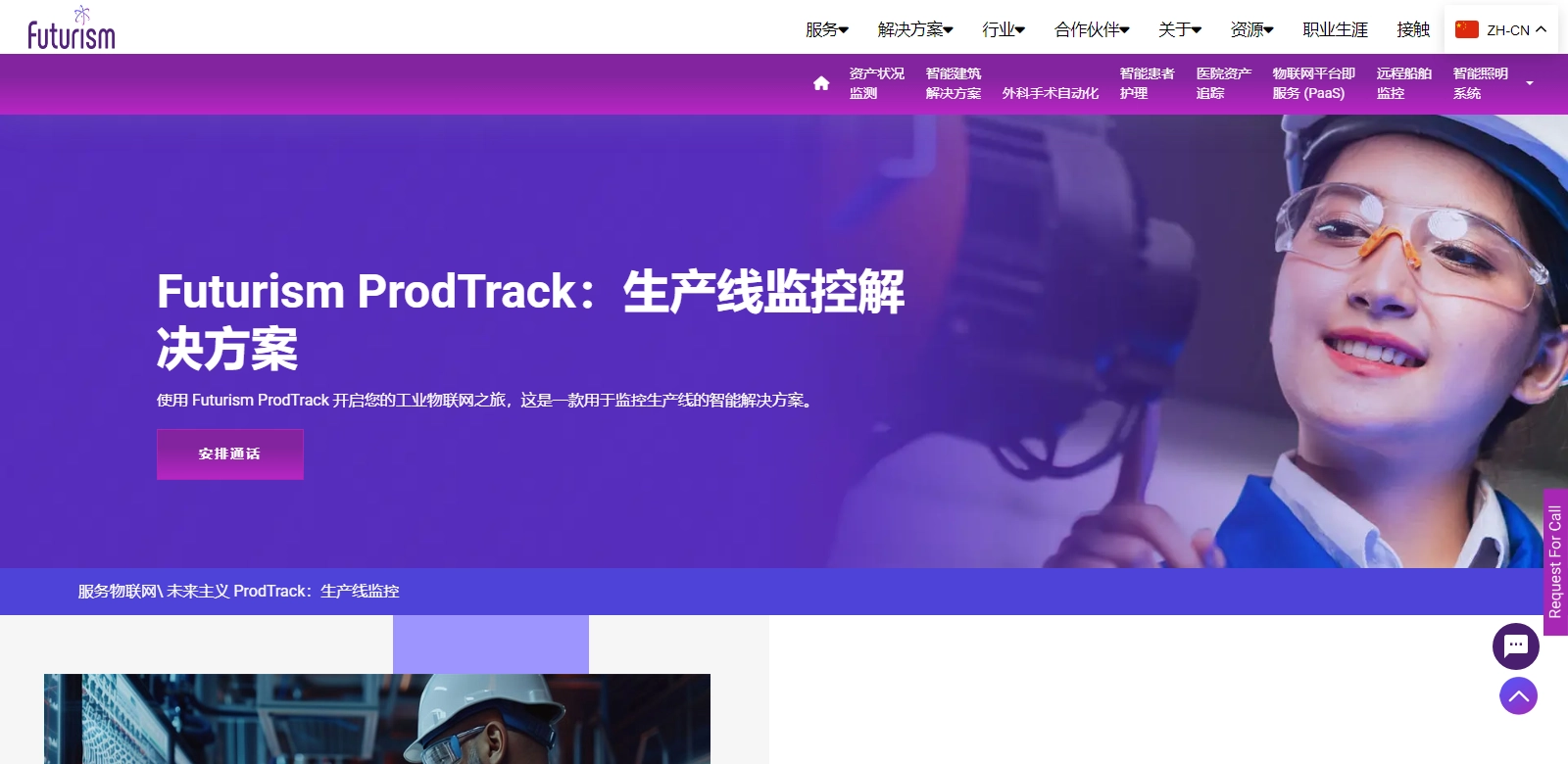
Advanced Remote Production Monitoring System
In today's competitive industrial landscape, efficiency and optimization are paramount. The introduction of remote production line monitoring has revolutionized the way organizations manage their operations. By providing real-time insights into production processes, companies can enhance efficiency, reduce downtime, and make informed decisions that propel growth.
Customers of Advanced Monitoring Solutions
Understanding the diverse applications of remote production monitoring systems can provide insights into its broad customer base. The following analysis delves deep into various customer personas who benefit significantly from these technologies:
-
Manufacturers: Manufacturers are often grappling with challenges such as production delays and quality assurance. By implementing remote monitoring, they can track machinery performance, predict maintenance needs, and ensure minimal downtime, leading to sustained operational flow. Data from these systems can help manufacturers refine their processes and achieve higher product quality.
-
Logistics Companies: In the realm of logistics, tracking shipments in real-time is critical. Utilizing remote monitoring technologies allows logistics firms to oversee production timelines and manage supply chain disruptions effectively. The ability to anticipate issues before they escalate can save companies significant costs and enhance customer satisfaction.
-
Product Developers: Product teams working on factory appliances or machinery find immense value in understanding the production line dynamics. Remote monitoring can provide insights into workflow efficiencies that inform product design and development, ensuring the final products meet market needs.
-
Quality Assurance Teams: For quality assurance, real-time data is invaluable. Remote monitoring solutions empower these teams to verify production standards continuously, minimizing defects and ensuring compliance with industry regulations. Utilizing such technology can lead to improved product outcomes and reduced costs from recalls or complaints.
-
Supply Chain Managers: Supply chain managers benefit from comprehensive visibility into the entire production process, which is essential for timely deliveries and inventory management. With remote monitoring, they can streamline workflows and coordinate better between suppliers and manufacturers, thereby enhancing overall supply chain dynamics.
Problems and Solution by Advanced Monitoring Solutions
Many challenges can hinder manufacturing efficiency and productivity. The following outlines prevalent problems within production environments and how remote monitoring addresses these concerns.
Problems Found
-
Downtime: Unexpected equipment failures can lead to significant downtime, delaying production schedules and increasing costs. An effective monitoring system can foresee potential failures, allowing for proactive maintenance and minimizing operational interruptions.
-
Lack of Real-Time Data: Businesses often struggle with delayed or outdated information, making it difficult to make timely decisions. Real-time monitoring offers immediate insights, enabling swift action on any emerging issues.
-
Inefficient Resource Allocation: Without proper monitoring, companies may find utilizing resources inefficiently, resulting in wastage and increased costs. Remote monitoring provides data that helps optimize resource allocation for maximum efficiency.
-
Inadequate Quality Control: Maintaining production quality without consistent monitoring is virtually impossible. A sophisticated remote monitoring system actively tracks quality parameters and alerts teams to any deviations from the norm, ensuring adherence to standards.
Solutions
Remote production line monitoring solutions alleviate many of these issues through a combination of advanced technologies and real-time data analysis. By connecting machinery to a central monitoring system, businesses gain comprehensive insights into production performance, equipment health, and overall system efficiency.
For instance, predictive analytics can greatly reduce downtime by forecasting when a piece of equipment needs maintenance, thus allowing companies to schedule repairs during off-peak hours. Additionally, real-time monitoring provides managers with immediate feedback on production rates, enabling them to swiftly adjust processes, resource allocations, and staffing levels as needed to optimize workflow.
Use Case
Consider a manufacturing plant that produces electronic components. By implementing a remote monitoring solution, the plant is able to track not just the machines but also worker productivity, material usage, and supply chain interactions from a central dashboard. With real-time alerts, the management team can react instantly to machinery malfunctions or bottlenecks, boosting daily production output and efficiency.
Top Features of Advanced Monitoring Solutions
Advanced monitoring systems are equipped with numerous features aimed at enhancing productivity and transparency.
-
Real-Time Monitoring: Provides instant visibility into production metrics, health of machinery, and operational efficiency ratios.
-
Predictive Maintenance: Utilizes machine learning algorithms to anticipate equipment failures before they occur, allowing for timely maintenance scheduling.
-
Performance Analytics: Compiles data analytics that can help identify trends and efficiencies across the production line, guiding decision-making.
-
Centralized Dashboard: Offers a unified interface for tracking performance, facilitating seamless communication across teams and departments.
-
Integration Capabilities: Easily integrates with existing manufacturing systems, ensuring a smooth transition and maximizing the value of previously installed technologies.
Frequently Asked Questions with Advanced Monitoring Solutions
- What is remote production line monitoring?
Remote production line monitoring refers to the use of advanced technology to oversee and track production processes in real-time from remote locations. This can include monitoring machinery health, production rates, and quality controls.
- How does remote monitoring reduce downtime?
By predicting equipment failures and enabling proactive maintenance, remote monitoring systems significantly minimize unplanned downtime, leading to more stable productivity and cost savings.
- Can remote monitoring improve quality control?
Yes, real-time monitoring allows for continuous oversight of quality metrics, quickly identifying discrepancies that need to be addressed to maintain production standards.
- Is the implementation of such systems complicated?
No, modern remote monitoring solutions are designed for ease of integration with existing systems, facilitating a smooth implementation process and minimal disruption to ongoing operations.
- What industries benefit from remote monitoring technologies?
Virtually all manufacturing sectors can benefit, including automotive, electronics, food and beverage, and pharmaceuticals, among others. Each industry faces unique challenges that can be overcome with effective monitoring solutions.