
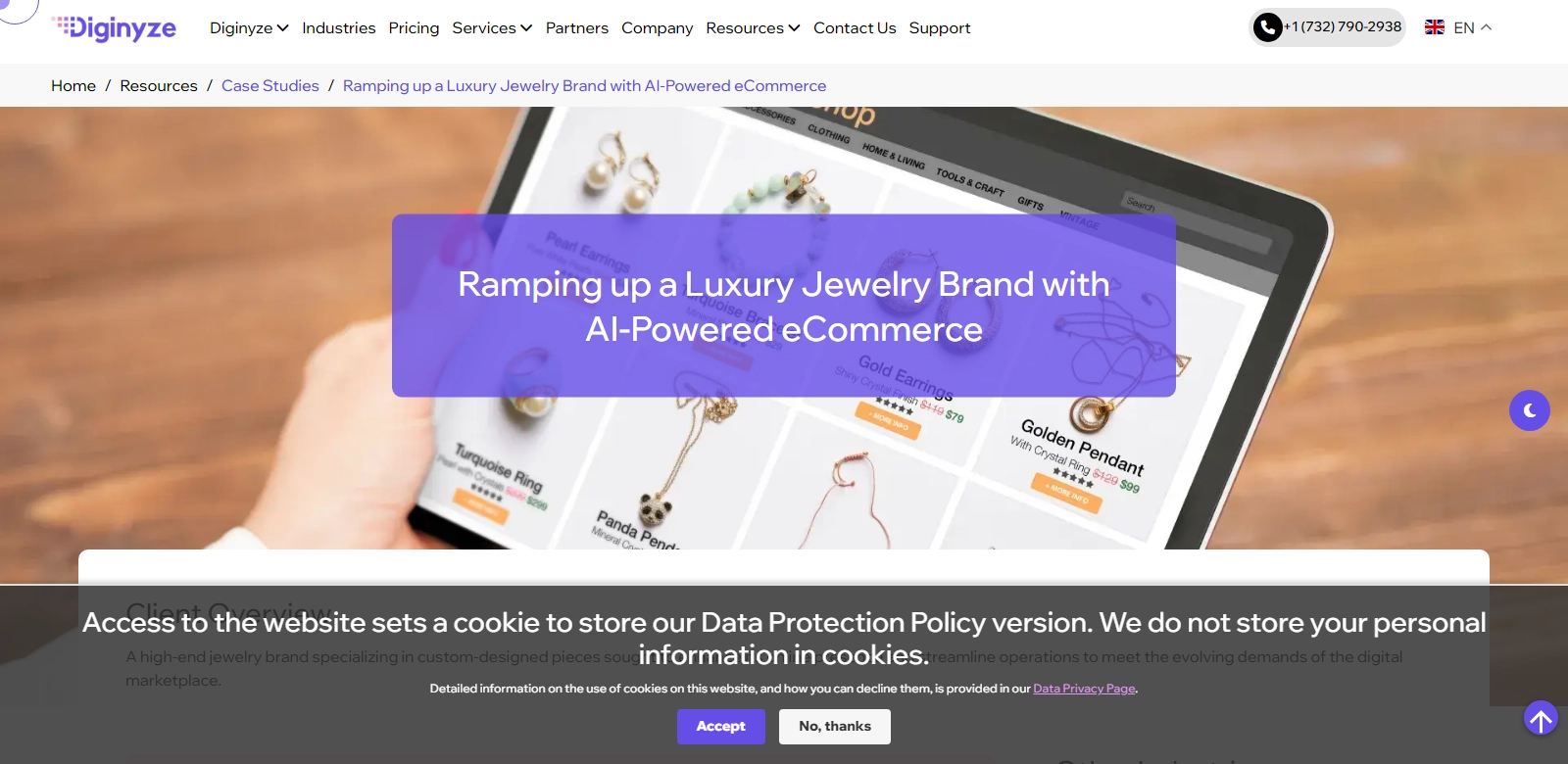
Elevating a Luxury Jewelry Brand: Strategies and Insights
The luxury jewelry market is a vibrant and competitive landscape that requires brands to not only showcase exquisite craftsmanship but also implement strategic marketing that resonates deeply with their target audience. As consumers become increasingly discerning, the focus shifts towards personalized experiences and storytelling that evoke emotions and connections. In this article, we explore comprehensive strategies that can help elevate a luxury jewelry brand, maintaining relevance and desirability in the ever-evolving market.
Customers of Luxury Jewelry Brands
Understanding the customer personas is crucial for any luxury jewelry brand. This analysis not only helps in crafting targeted marketing strategies but also builds lasting relationships with clients. Here, we delineate some key customer segments that brands often cater to:
-
Affluent Fashion Enthusiasts: These customers are well-versed in trends and often seek jewelry that reflects both their style and status. Regularly attending fashion events and high-profile gatherings, they want pieces that will make a statement, helping them stand out in any crowd. Engagement through curated collections and exclusivity appeals strongly to this segment.
-
Milestone Marketers: A significant portion of luxury jewelry sales stems from milestones such as engagements, weddings, and anniversaries. These customers value personalization and are often willing to invest in bespoke pieces that encapsulate unique stories. Delivering an exceptional customer experience during such pivotal moments can foster loyalty and encourage word-of-mouth referrals.
-
Luxury Gift Buyers: Not all customers are buyers for themselves; many indulge in gifting. Understanding this segment requires insight into their motivations, often revolving around love, appreciation, or celebration. Tailored marketing campaigns that emphasize the emotional connection associated with gifting can resonate well.
-
Socially Conscious Consumers: Modern luxury consumers are increasingly considering ethical implications. They often gravitate towards brands that exhibit social responsibility and transparency in sourcing materials. Leveraging sustainability narratives provides an edge, appealing to this conscientious demographic.
-
Collectible Investors: Certain consumers are primarily driven by investment potential rather than personal adornment. Jewelry pieces that offer value appreciation over time attract this group. Brands can cultivate relationships by providing detailed certifications and insights into market trends to build confidence.
Problems and Solutions by Luxury Jewelry Brands
The luxury jewelry market, while lucrative, is not without its challenges. Luxury brands must recognize these obstacles to capitalize on growth opportunities.
Problems Luxury Jewelry Brands Face
-
Market Saturation: With numerous brands emerging, differentiating oneself becomes increasingly difficult. Standing out in a sea of competitors is essential for brand survival.
-
Changing Consumer Behaviors: The rise of eCommerce and changing shopping habits require traditional retailers to adapt their sales strategies rapidly. This shift poses a challenge to maintaining customer loyalty and engagement.
-
Supply Chain Transparency: Modern consumers demand ethical sourcing and transparency in the products they purchase, creating pressure on brands that may not meet these standards. Failure to comply can lead to reputational damage.
-
Counterfeit Products: The luxury market faces a persistent issue with counterfeit items that undermine brand integrity. Protecting intellectual property while educating consumers is essential.
-
Economic Fluctuations: Luxury goods are often one of the first expenditures to drop during economic downturns. Brands must devise strategies to maintain sales in fragile economies.
Solutions by Luxury Jewelry Brands
To combat these challenges, luxury jewelry brands can implement various strategic solutions:
-
Innovative Marketing Approaches: Unique branding strategies that emphasize storytelling and customer experiences can differentiate brands from competitors. Introduction of immersive marketing tactics, such as virtual try-ons and augmented reality (AR) experiences, can enhance consumer engagement.
-
E-Commerce Optimization: Developing a seamless online shopping experience ensures that brands cater to the shifting shopping preferences of consumers. Integrating personalized recommendations and customer service chat features can enhance online interactions.
-
Sustainability Practices: Brands that prioritize ethical sourcing and environmentally friendly practices are likely to gain consumer trust and enhance their reputation. Communicating these efforts via marketing channels can positively impact brand perception.
-
Education and Protection: Implementing measures against counterfeit products, such as certificates of authenticity, and educating consumers on how to identify genuine products helps maintain brand integrity.
-
Diversified Offerings: Luxury brands should consider diversifying their product ranges to cater to different economic climates. Offering flexible pricing options, such as entry-level luxury products, can help mitigate sales drops during economic downturns.
Use Cases
When considering how luxury jewelry brands can implement these strategies, several use cases highlight effective applications:
- A luxury brand intertwines storytelling with its marketing, narrating the journey of its ethically sourced diamonds, establishing a connection with socially conscious consumers.
- An eCommerce platform enhances its user experience with augmented reality, allowing customers to virtually try on jewelry before purchasing, resulting in decreased returns and increased satisfaction.
- A renowned jeweler launches an innovative mobile app that not only showcases collections but also offers clients a personalization feature to create their own custom designs, significantly boosting customer loyalty and engagement.
Top Features of Luxury Jewelry Brands
Innovative features are vital for maintaining a competitive edge. Some key attributes include:
- Bespoke Design Services: Customization options that allow customers to design their own pieces promote engagement and personalization.
- Virtual Try-On Technologies: Integration of AR technologies helps customers visualize how jewelry will look on them without needing to visit a store.
- Sustainability Integration: Practices that ensure ethical sourcing resonate with modern consumers, strengthening brand loyalty.
- Loyalty Programs: Reward systems that acknowledge frequent buyers through exclusive offers and sneak peeks at new collections can drive repeat business.
- Authentic Certificates: Providing certificates of authenticity assures customers about the legitimacy of their purchases, especially against counterfeit threats.
Frequently Asked Questions with Luxury Jewelry Brands
-
What defines a luxury jewelry brand?
Luxury jewelry brands are characterized by their commitment to quality, craftsmanship, and exclusivity. They focus on creating exceptional pieces that often tell a story, reflecting their artistry and heritage, which distinguishes them from mass-market competitors. -
How does a luxury brand source its materials?
Luxury jewelry brands source materials through various channels, emphasizing ethical practices. By working with certified suppliers and maintaining transparency in their supply chains, these brands assure customers about the integrity of their materials and the ethical standards in place. -
Why is personalization important in luxury jewelry?
Personalization allows luxury jewelry brands to cater to the unique tastes and preferences of individual customers. This not only enhances customer satisfaction but also builds emotional connections that foster brand loyalty. Personalized experiences often lead to repeat purchases and referrals. -
What trends are influencing the luxury jewelry market?
Current trends include sustainability, the rise of digital and eCommerce platforms, personalized shopping experiences, and a growing emphasis on ethical sourcing. Brands that adapt to these trends can effectively position themselves in the competitive landscape. -
How do luxury brands combat counterfeiting?
Luxury brands combat counterfeiting through business practices such as deploying various forms of authentication, educating consumers about identifying genuine products, and actively monitoring counterfeit sales in the marketplace. Efforts to legislate stronger protections can also support the fight against counterfeit goods.