
A Human's Guide to Low Code Platforms
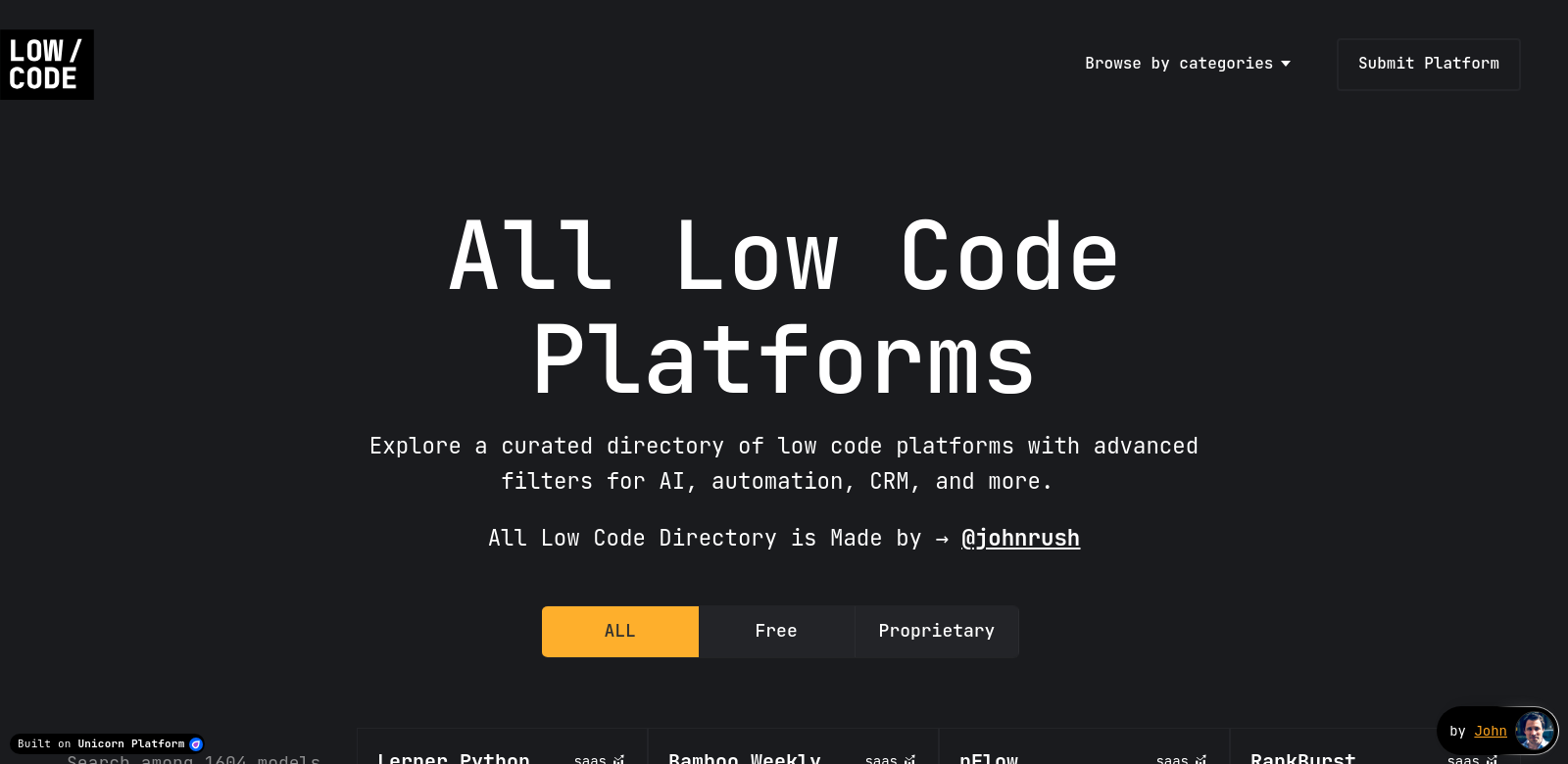
Low code platforms are changing how we build software. They let you create applications with very little manual coding, using visual interfaces and pre-built templates. This means both professional developers and business users can design apps quickly. In today's fast-moving tech world, where speed and getting things done quickly matter most, low code platforms are a huge help for companies big and small. Whether it's automating tasks or managing customer relationships (CRM), these platforms help you build apps that fit your exact business needs. This guide will look at what these platforms can do, who uses them, the problems they solve, and the features that make them so useful. For more, check out this low code platform directory.
Who Uses Low Code Platforms?
Understanding who benefits from low code platforms helps show their value in different business situations. Here are some key groups that use these tools:
-
Small and Medium Enterprises (SMEs): SMEs often don't have a lot of money or staff for big IT setups. Low code platforms let them build and launch apps fast, without needing huge development teams. This means SMEs can automate routine work, connect better with customers, and run things more efficiently. They also reduce the risk of expensive software projects, as updates and changes are quick and cheap.
-
Business Analysts: Low code platforms let business analysts create data-driven apps without relying heavily on software developers. Analysts can quickly build prototypes to solve business problems, using their own knowledge of the business. This gets applications that fix specific issues to market faster, turning analysts into real problem-solvers in their companies.
-
Enterprise-Level IT Teams: Big companies often struggle with slow software development. Low code platforms give enterprise IT teams the flexibility to build internal tools, manage workflows, and connect with existing systems without writing tons of code. This not only speeds up delivery but also helps IT adapt to changing business needs much faster.
-
Freelancers and Consultants: Freelancers and consultants use low code platforms to build custom solutions for clients. They save a lot of time by using low code to develop apps tailored to specific client needs, which helps them build their portfolio and keep clients happy.
-
Educational Institutions: Schools and universities are increasingly seeing how important digital tools are for teaching and administration. Low code platforms let educators create and manage learning systems, student information systems, and other apps that fit modern education. These platforms lower the tech barrier for educators and create an environment that encourages new teaching methods.
Low Code Platforms: Problems & Solutions
Businesses in the digital age constantly face unique challenges that need smart solutions. Low code platforms tackle these issues head-on, leading to better productivity and smoother operations.
Problems Low Code Platforms Address
-
Not Enough Developers: Many organizations struggle to find enough skilled developers. The need for software often outpaces the number of qualified people available, causing project delays and unmet needs.
-
Integration Headaches: Connecting new applications with old systems can be a tough, time-consuming job, making it hard to get everything working together smoothly.
-
Slow Development: Traditional software development can take months or even years, delaying important business solutions.
-
High Costs: Building apps in-house can be very expensive, especially for small businesses that need custom solutions but don't have a huge budget.
How Low Code Platforms Help
Low code platforms solve these problems by offering:
-
Easy to Use: With their drag-and-drop interfaces and visual tools, low code platforms let even non-technical users get involved in app development. This makes learning easier and reduces how much you need IT help.
-
Fast App Building: Low code environments make quick changes and prototyping easy, helping businesses react to market changes faster and cut down development times.
-
Built-in Integrations: Many low code platforms come with ready-made connectors and APIs that simplify integration, letting different software systems talk to each other seamlessly.
-
Cost Savings: By needing fewer specialized developers and shortening project timelines, low code solutions offer a more affordable way for businesses to build and launch applications.
Real-World Uses
Low code platforms are super flexible, showing up in all sorts of industries and for many different purposes:
-
Internal Workflow Apps: Businesses can use low code tools to automate internal tasks, like approval processes and inventory management, which really boosts productivity.
-
Customer-Facing Apps: Companies can build user-friendly apps for customer engagement, from chatbots to e-commerce sites, making the customer experience much better.
-
Data Dashboards and Reports: Businesses can create custom data dashboards that show key performance indicators (KPIs) and analytics, turning complicated data into clear, useful insights.
Top Features of Low Code Platforms
Low code platforms work so well because of several smart features designed to make development easier:
-
Visual Development Interface: Lets you design apps without writing much code, opening up development to more people.
-
Pre-built Templates: Offers a library of customizable templates, speeding up app building by giving you a head start on common business problems.
-
Collaboration Tools: Makes teamwork better by letting multiple users work on a project at the same time and see edits live.
-
Integration Support: Connects easily with other apps and data sources, creating a smooth environment for data to flow and features to work together.
-
Security Features: Makes sure apps built on the platform meet necessary compliance standards, keeping sensitive data safe.
Common Questions About Low Code Platforms
-
What kinds of apps can I build with a low code platform? You can build a wide variety of applications with low code platforms, from simple internal tools to complex customer-facing solutions. Their flexibility means businesses can tackle different operational challenges and customize apps to fit specific needs.
-
Do I need programming experience to use low code platforms? No, that's one of the main benefits! Low code platforms are made for users of all skill levels. Even if you have minimal programming knowledge, you can easily navigate and build applications thanks to their intuitive interfaces.
-
How do low code platforms make me more productive? By automating common tasks, allowing for quick prototypes, and making teamwork easier, low code platforms drastically cut down the time and resources needed for app development. This lets companies focus more on big-picture strategies.
-
Can low code platforms connect with my existing software? Most low code platforms include built-in integration features or APIs that let them connect smoothly with existing applications, ensuring a seamless workflow and data exchange.
-
Is it safe to use low code platforms for sensitive data? Many low code platforms prioritize security and compliance. It's important to pick a reputable platform that offers strong security features to protect sensitive information.