
Exploring Open Source Software and Its Alternatives
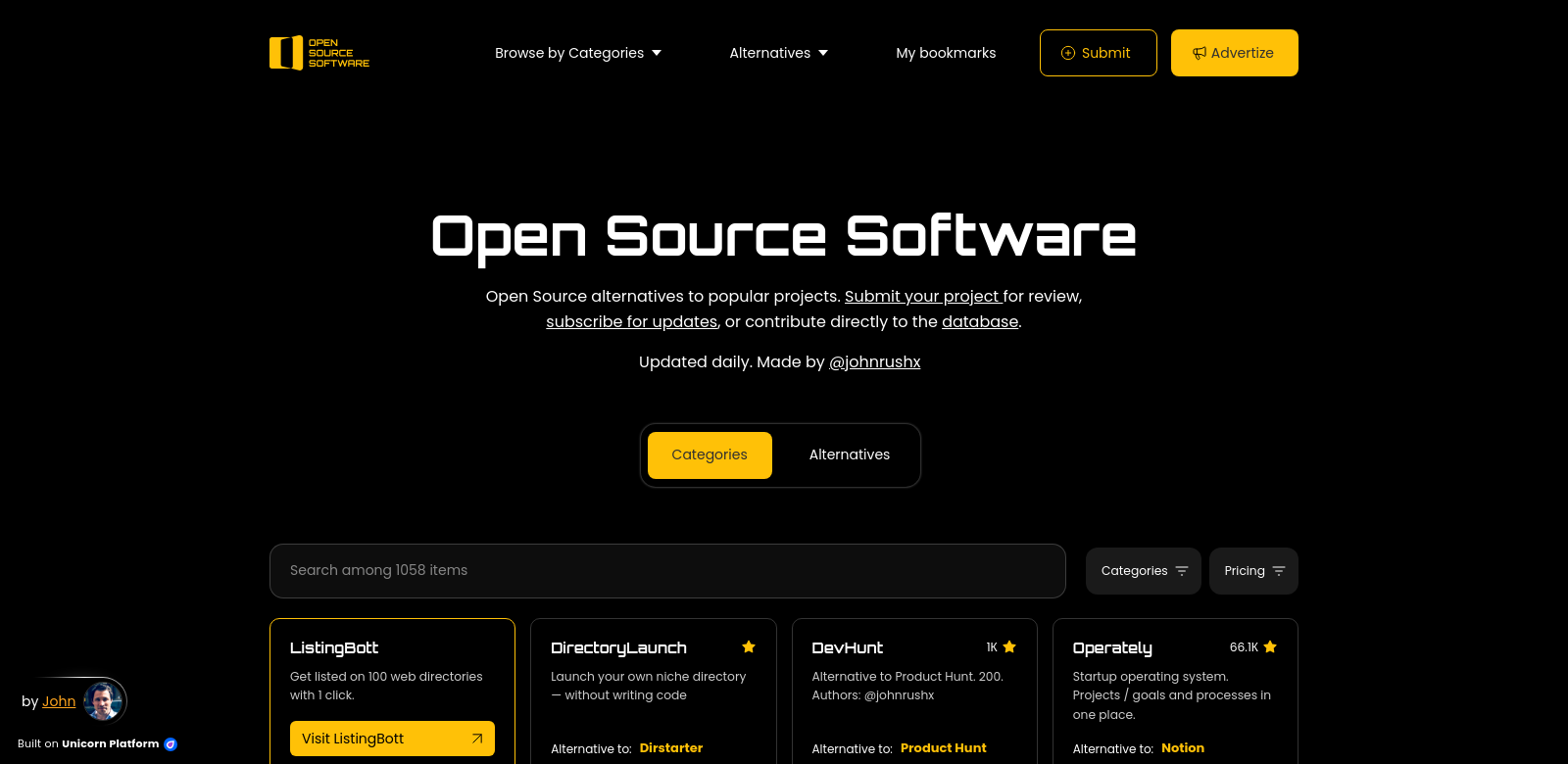
Open Source Software (OSS) is software where the source code is public, meaning anyone can view, modify, and distribute it. This approach encourages collaboration, sparks new ideas, and keeps things transparent. It lets users improve the software, tweak it for their own needs, and even fix bugs. You see it everywhere now: schools, businesses, tech companies. And if you're looking for an alternative to expensive, locked-down software, OSS often fits the bill perfectly, usually without the hefty price tag. Want to learn more? Check out OSS Software.
Who Uses Open Source Software?
Lots of different people use open source software, each for their own reasons.
-
Developers: Developers love flexibility and being able to customize things. Open source tools mean they can dig into the code and make apps do exactly what they need. Plus, there's often strong community support, which is a huge help for fixing problems and making improvements.
-
Small to Medium Businesses (SMEs): SMEs often don't have huge budgets but still need good software. Open source lets them slash licensing costs and still get powerful tools that rival expensive proprietary options. It's flexible enough to grow with them, without the restrictions you often hit with commercial licenses.
-
Educational Institutions: Many schools use OSS because it's a cheap way to give students access to quality software. These tools make learning easier and often get built into IT courses, helping students get ready for the real world.
-
Non-Profits and NGOs: Non-profits usually run on tight budgets. OSS gives them the essential tools they need to run efficiently without spending a fortune. Its collaborative spirit just clicks with what many NGOs are all about.
-
IT Administrators: IT professionals like OSS because it's transparent and gives them control over their systems. Unlike proprietary stuff, IT teams can audit and change the software directly, which means a more secure and compliant setup.
Open Source: Problems Solved
Open source software isn't just good for its own sake; it also fixes a lot of headaches you find with traditional software.
The Pain Points of Proprietary Software
-
High Costs: Proprietary software licenses can get ridiculously expensive, especially if you need a bunch of them or different versions.
-
Lack of Customization: Proprietary software is often rigid. It's tough to make it work exactly how you want it to fit your specific workflow.
-
Vendor Lock-in: You get stuck with one vendor for updates, support, and new features. That can really slow down your growth and stop you from trying new things.
-
Limited Transparency: Since you can't see or change the code in proprietary software, you have less control and flexibility.
-
Forced Updates: You might be forced to upgrade just to stay secure or compatible, and sometimes you lose features you actually liked.
How Open Source Software Helps
Open source software flips