
Rebuilding Trust After Betrayal
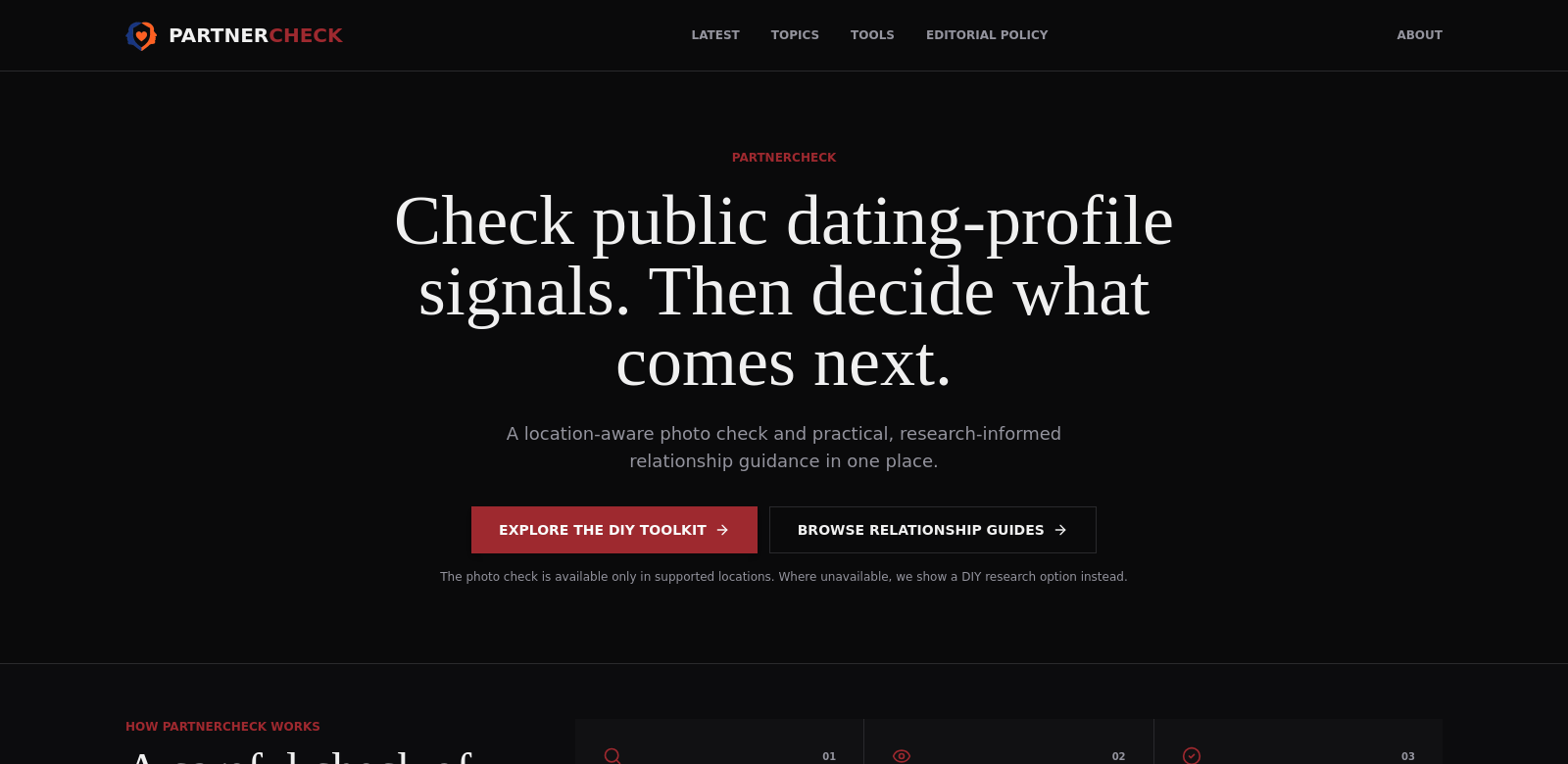
Relationships hit unexpected snags, and when they do, trust is often the first thing to crumble. The pain of betrayal isn't something you can just ignore; it demands real action to heal. PartnerCheck provides practical guides, all backed by solid research into breakups, betrayal, and how to actually get trust back. Through quizzes and step-by-step programs, you'll get the tools you need to navigate the messy path of emotional recovery.
Who Uses PartnerCheck?
PartnerCheck helps all sorts of people looking for support in their relationships. Knowing who these people are helps us make our tools even better. Here are some of the folks who get a lot out of PartnerCheck:
-
People healing from betrayal: If infidelity or deceit has broken your trust, our structured guides are a huge help. Betrayal often leaves you feeling lost, so getting advice that fits your exact situation is crucial.
-
Couples wanting to reconcile: For partners who want to fix things, our resources focus on improving how you talk and understand each other. Our programs help you have honest conversations and build trust again.
-
Therapists and counselors: Many mental health pros use PartnerCheck's tools in their couples therapy sessions. It gives their clients extra ways to handle tough talks and repair their relationships.
-
Friends and family members: When someone close to you has been betrayed, you often want to understand what they're going through. PartnerCheck can give you the perspective you need to be a better support system.
-
Self-help fans: If you're into personal growth, you'll appreciate the knowledge PartnerCheck offers. You'll find value in our structured approach to rebuilding trust and our hands-on exercises.
The Problems PartnerCheck Solves
Rebuilding trust feels impossible after betrayal. PartnerCheck tackles the common issues people face during recovery and offers real solutions.
What Problems Did PartnerCheck Find?
-
Communication shuts down: When trust breaks, so does talking. People struggle to say what they feel, which just leads to more misunderstandings and isolation.
-
Overwhelming emotions: Dealing with anger, resentment, or sadness is crucial, but often ignored. Many people feel swamped, unsure how to handle these feelings in a healthy way.
-
Fear of being vulnerable: Getting hurt once makes you scared to open up again, or even re-engage with your partner. This hesitation stops healing dead in its tracks.
-
Misunderstanding forgiveness: People often think forgiveness is simple. It's not. It's a deep, layered emotional process that takes time and effort.
-
No clear path forward: Without a roadmap, people trying to recover often feel lost, not knowing what to do next.
How PartnerCheck Helps
PartnerCheck gives individuals and couples a clear structure to rebuild trust. Our carefully designed resources walk you through the emotional recovery process, step by step.
-
Structured programs teach you how to talk clearly with your partner. We give you techniques to express your feelings and worries effectively.
-
Emotional management tools help you recognize and deal with feelings like sadness and anger. PartnerCheck helps you understand your emotions, so you can face your thoughts and feelings without fear.
-
Workshops and quizzes help you understand vulnerability. They encourage you to be open while also learning how to protect yourself along the way.
-
Forgiveness guides break down the process into smaller, manageable steps. This makes the journey toward emotional healing less daunting and helps partners understand each other better.
-
Always-available resources mean you're never without guidance. From articles to interactive content, PartnerCheck keeps you engaged with fresh, helpful materials.
How People Use PartnerCheck
Here are a few real-world examples of how PartnerCheck helps:
- A couple dealing with infidelity uses PartnerCheck to sort through their feelings and start productive conversations about their future.
- Someone struggling after betrayal uses our resources to better understand their emotions and figure out how to reconnect with friends and family.
- A therapist brings PartnerCheck materials into their sessions, giving clients extra support when they're working through trust issues.
PartnerCheck's Best Features
PartnerCheck offers a bunch of great features designed to make the whole recovery process smoother and much more effective:
-
Content backed by research: Our guides aren't just guesswork; they're built on solid research. This gives you confidence that you're getting genuinely helpful advice.
-
Interactive quizzes: These self-assessment tools get you thinking. PartnerCheck helps you figure out where you stand with trust and understanding in your relationship.
-
Step-by-step programs: These structured paths don't just tell you what to do; they walk you through the tough process of rebuilding trust and communication.
-
Community support: PartnerCheck helps users feel like they belong, offering a place to share experiences and get support from others.
-
Always up-to-date: The platform keeps changing as new research comes out, so you always have the most current information on relationship recovery.
Common Questions About PartnerCheck
-
How long does it take to rebuild trust? Everyone's journey to rebuild trust is different. The time it takes depends a lot on your personal experiences and how committed you are to the process. PartnerCheck helps you pace yourself through this tough emotional time.
-
Can trust ever be fully restored after betrayal? Yes, trust can absolutely be restored. But it takes effort, commitment, and a real understanding of the emotions involved from both people. PartnerCheck lays out the steps to help you get there.
-
What if I feel stuck during the process? Feeling stuck is totally normal. PartnerCheck has resources specifically designed to help you through those moments and keep you moving forward, even when rebuilding trust feels hard.
-
Are PartnerCheck's resources good for all kinds of relationships? Yes, we've made PartnerCheck's materials to work for many different types of relationships. So, if you're looking to recover trust, our guidance should be relevant to you.
-
How can therapists use PartnerCheck resources? Therapists can use PartnerCheck's structured programs in their sessions. This gives clients practical tools that help them heal and grow in their relationships, which can really improve how things turn out.
Want to learn more? Visit PartnerCheck to get a better handle on rebuilding trust after betrayal.