
Picking the Right B2B Software: A Deep Dive
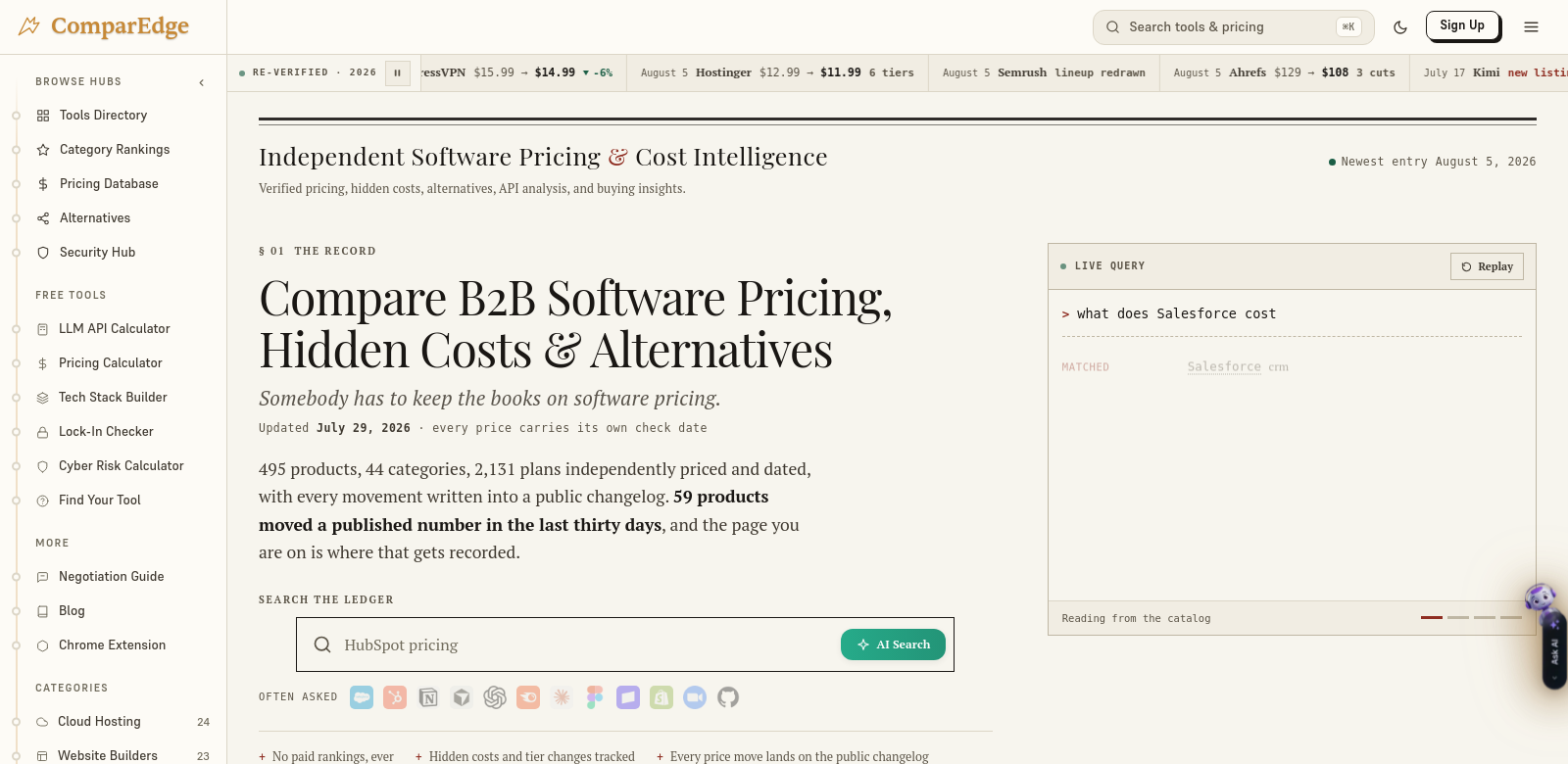
Let's be honest, B2B software has completely changed how businesses run. Choosing the right tools isn't just about making things more efficient; it's also about keeping costs in check. The sheer number of options out there can feel totally overwhelming. But if you dig into verified pricing, uncover hidden costs, and understand how these tools actually perform in real-world scenarios, you can make much smarter choices for your organization. Resources like ComparEdge are great for this, offering detailed comparisons of SaaS and AI tools and bringing much-needed transparency to costs that often stay hidden.
Who Uses B2B Software?
To understand B2B software, you first need to know who's actually using it. Different groups have different needs and expectations, so software providers really need to tailor their solutions. Here are some common users:
-
Small Business Owners: These folks rely on software to simplify operations and cut down on overhead. They love tools with clear pricing because it lets them budget confidently, without worrying about surprise expenses.
-
Enterprise-level Managers: Managers at larger companies need comprehensive software that can talk to all their different departments. Knowing the true, hidden costs helps them give accurate financial forecasts to their bosses and make big decisions that affect the whole company.
-
IT Professionals: IT teams are the ones making sure software plays nice with existing systems and stays secure. They look for tools that not only meet business needs but also have transparent pricing, which makes vendor negotiations a lot easier.
-
Marketing Teams: Marketers need software that can handle campaigns across tons of platforms. Understanding the real cost of these tools helps them spend their marketing budgets wisely.
-
Data Analysts: Analysts need reliable data and software that's easy to use and won't break the bank. Tools with clear pricing and operational models make their analysis simpler, helping them deliver solid insights to decision-makers.
The Headaches and Help in B2B Software Selection
Finding the perfect B2B software is rarely a smooth ride. Knowing what problems you might run into is the first step to solving them.
Common Problems B2B Software Users Face
-
Hidden Pricing: Many companies struggle to figure out the real cost of software because of fees that only pop up after you've bought it. Without clear pricing, budgets can easily get blown, hurting the company's finances.
-
Compatibility Nightmares: Trying to find software that works seamlessly with your existing systems can be a huge headache. Bad compatibility means wasted time and money, often forcing you to stick with old, clunky tools.
-
Doesn't Fit Your Needs: It's common for companies to buy software that just doesn't have the features they actually need. This mismatch leads to inefficiency and lost productivity.
-
Vendor Lock-in: Many software solutions make it incredibly hard to switch later, thanks to long contracts or proprietary tech. This can really limit a business's flexibility as its needs change.
-
Underestimating Total Cost of Ownership (TCO): Companies often don't fully grasp all the costs that come with owning software. This leads to unexpected expenses down the line.
How B2B Software Comparison Platforms Help
To tackle these common issues, platforms like ComparEdge step in with structured comparisons and pricing insights. Here's how they help:
-
Clear Pricing Breakdowns: These platforms show you exactly what software costs, pointing out any hidden fees. This lets businesses budget smarter and avoid nasty surprises.
-
Thorough Compatibility Checks: You can check if a software tool will work with your current systems. This makes for a smoother transition and ensures you get the most out of what you already have.
-
Tailored Recommendations: Comparison platforms often suggest tools specifically for your business's needs, making sure you pick software that truly fits.
-
Info on Flexible Contracts: They can highlight vendors who offer flexible contracts, which is a huge plus for businesses trying to stay agile in a fast-changing tech world.
-
Full Cost Analysis: By showing you the total cost of ownership—including maintenance and operational expenses—these platforms help businesses plan their finances for the long haul and cut down on unexpected costs.
What B2B Software Is Used For
B2B software does a lot of different things, and you can see its value in many scenarios:
- Project Management: Tools like Asana or Monday.com make project workflows smoother, helping teams work together efficiently no matter where they are.
- Customer Relationship Management (CRM): Platforms like Salesforce help businesses manage customer interactions, which is key for keeping clients happy and improving service.
- Financial Tools: Software like QuickBooks offers integrated financial management, making accounting much easier for companies.
Key Features of Great B2B Software
When you invest in good B2B software, you expect certain benefits. Here are some top features to look for:
- Integration: It absolutely needs to connect with your existing systems to keep everything running smoothly.
- User-Friendly Interface: An intuitive design is crucial. If it's easy to use, people will actually adopt it, cutting down on training time.
- Solid Support: 24/7 customer support can save you a lot of headaches, minimizing downtime and ensuring you get help when you need it.
- Scalability: As your business grows, the software needs to grow with it. It should handle expanding needs without costing a fortune.
- Automated Insights: Advanced analytics can give you actionable insights, helping you make smarter decisions and plan better strategies.
FAQs About B2B Software
-
How do I pick the right B2B software for my business? You need to look at your current and future needs, understand all the potential costs, and check how well it integrates with your existing systems.
-
What are the common hidden costs with B2B software? Watch out for setup fees, training costs, and ongoing maintenance charges that aren't always clear in the initial price.
-
How can I make sure my software choice is scalable? Check if the software offers different pricing tiers or modular features. This means it can handle growth without you needing to completely overhaul your system.
-
What kind of customer support should I expect from a software vendor? Ideally, look for vendors with extensive documentation, a responsive support team, and multiple ways to contact them.
-
Are free trials useful for evaluating software? Absolutely. Free trials let businesses test out the software's features and see if it works with their operations, all without any financial commitment.