
Accelerating B2B Growth with Multichannel eCommerce Strategies
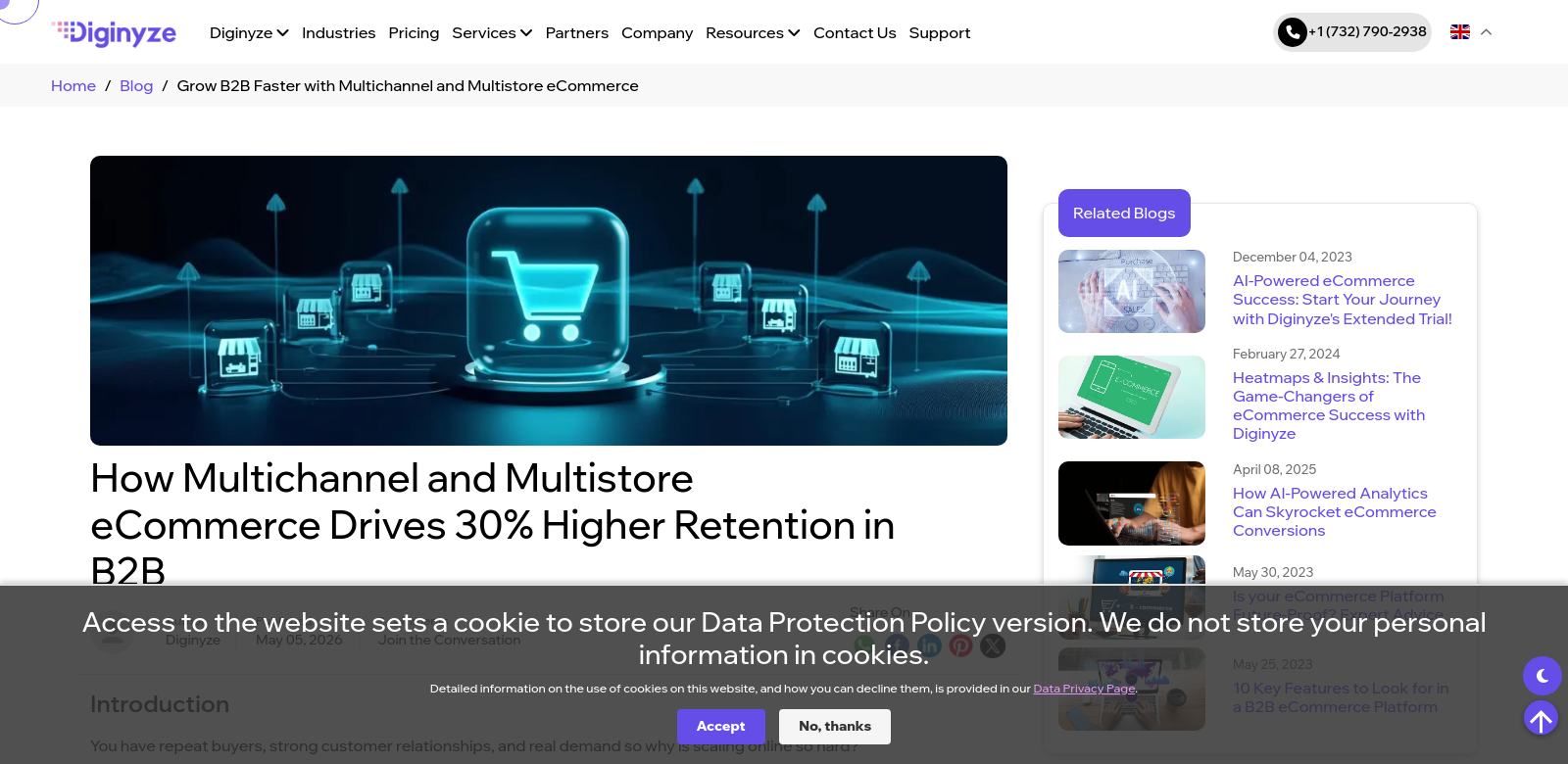
B2B companies are jumping into multichannel and multistore eCommerce. Why? To grow faster and work smarter. By using and connecting different online platforms, businesses can reach customers in more ways, make their operations smoother, and ultimately, sell more. If you're thinking about these options, you'll want to know the good, the bad, and the smart ways to do it. This article will help B2B businesses figure out these complex systems and really kickstart their growth.
Customers of B2B Multichannel eCommerce
Knowing your customers is key for any B2B business. Since you'll have different kinds of customers with different needs, you'll need various strategies to serve each group well. Here are some key customer types who really benefit from multichannel eCommerce:
-
Enterprise Clients: Large companies often need custom solutions. Their buying process is complex, with many people involved and long decisions. Good multichannel strategies let you offer custom products and dedicated support, which fits how they buy things.
-
Small to Medium Enterprises (SMEs): These businesses look for affordable solutions and often don't have many resources. A multistore platform gives SMEs the freedom to check out different products without sacrificing quality – that's vital for them to grow.
-
Resellers and Distributors: They want easy inventory management and access to products from many suppliers. Multichannel makes it easy for them to compare products and prices, simplifying their decisions.
-
End Consumers: Even though they're mainly B2B, many companies also sell straight to consumers. Using multichannel helps these companies connect with customers better and smooth out the buying process, which makes customers happier and more loyal.
-
Niche Market Players: Companies in niche markets find multichannel eCommerce great for learning what customers like. This helps them develop products and plan marketing.
Problems and Solutions Addressed by Multichannel eCommerce
B2B sales are complicated and full of challenges that demand smart thinking and new ideas. But by using multichannel eCommerce, businesses can solve a lot of these problems:
Problems Multichannel eCommerce Solutions Address
-
Limited Reach and Visibility: Businesses often find it hard to reach potential customers if they only use one channel. This limits who sees them and how much they can earn.
-
Ineffective Inventory Management: Keeping track of inventory across many selling platforms can be a mess without a clear plan. This causes too much or too little stock, which hurts sales and makes customers unhappy.
-
Inconsistent Customer Experiences: Customers want smooth interactions no matter which platform they use. Different systems can lead to choppy experiences, frustrating customers and costing sales.
-
Complex Purchase Processes: B2B buying often involves many decision-makers, which slows things down. Multichannel helps businesses simplify this process by putting all the needed information in one spot.
-
Inefficient Marketing Strategies: Marketing without a clear target wastes money and effort. Multichannel helps create more personal marketing that speaks to different customer groups.
Solutions Offered by Multichannel eCommerce
Multichannel eCommerce solutions really tackle these problems. By connecting different online sales platforms, B2B companies can:
-
Enhance Reach: With many channels, businesses can reach wider audiences, getting into new markets and finding new customers by showing up on different eCommerce platforms.
-
Optimize Inventory: Smart inventory tools let you track stock in real-time across all platforms. This cuts down on waste and keeps stock levels just right. This means products are there when customers need them, which directly makes customers happier.
-
Create Cohesive Customer Journeys: Multichannel strategies create smooth customer experiences, making sure customers get the same message and service quality everywhere they interact. Tech that pulls customer data together from all channels boosts satisfaction and keeps customers coming back.
-
Simplify Purchase Processes: By offering integrated solutions for all the decision-makers in a client's company, businesses can speed up buying and make the procurement process smoother.
-
Implement Data-Driven Marketing: Gathering data from all channels lets businesses create targeted marketing campaigns, really connecting with their specific customer types. To learn more, check out this article.
Use Cases of Multichannel eCommerce in B2B
To see how well multichannel eCommerce strategies actually work, here are some examples:
-
Automotive Parts Suppliers: With a multichannel platform, suppliers can sell directly to manufacturers, retailers, and even end customers. This boosts their market presence and makes them easier to reach.
-
Wholesale Distributors: They can use multistore options to sell different product lines under separate brand names. This lets them serve various groups without watering down their main brand.
-
Software as a Service (SaaS) Providers: Using multichannel, they can reach businesses through digital ads, referrals, and partner networks, greatly expanding who they can sell to.
-
Healthcare Suppliers: These companies can sell to hospitals, clinics, and pharmacies, using different channels that work best for each group, all while handling regulations more easily.
-
Food and Beverage Producers: They can use different online platforms to connect with wholesalers and retailers smoothly. This makes ordering easier and cuts down on delivery times.
Top Features of Multichannel eCommerce Solutions
When you're choosing a multichannel eCommerce solution, look for these important features that will help you succeed:
-
Centralized Dashboard: Gives you real-time insights from all channels, so you can make smarter decisions.
-
API Integrations: Makes it easy to connect with different platforms, which makes operations run smoother.
-
Automated Inventory Management: Automatically updates stock levels everywhere to avoid mistakes.
-
Cross-Channel Promotions: Lets businesses run marketing campaigns consistently across different platforms.
-
Comprehensive Analytics: Shows you what customers do and like, helping you adjust your strategy.
Frequently Asked Questions about Multichannel eCommerce
-
What is multichannel eCommerce? Multichannel eCommerce means selling products or services on many online platforms, giving customers different ways to interact with your business.
-
Why is multichannel strategy important for B2B? A multichannel strategy is crucial for B2B because it helps you reach more people, boosts customer engagement, and lets businesses serve different customer needs well.
-
How does multichannel eCommerce improve sales? By reaching customers in many places, multichannel eCommerce can make you more visible, send more traffic to your products, and ultimately, increase sales.
-
What challenges does multichannel eCommerce face? Common challenges include complex inventory management, keeping customer experiences consistent, and effectively integrating different systems.
-
Can small businesses benefit from multichannel eCommerce? Absolutely! Small businesses can use multichannel strategies to get more visibility, improve how they connect with customers, and grow their market presence without needing a huge investment.
Using multichannel eCommerce solutions lets B2B businesses set themselves up for long-term growth and success in today's competitive market. When these strategies are applied well, they don't just make operations more efficient; they also transform customer experiences, leading to happier, more loyal customers.