
A Guide to Self-Hosted Software
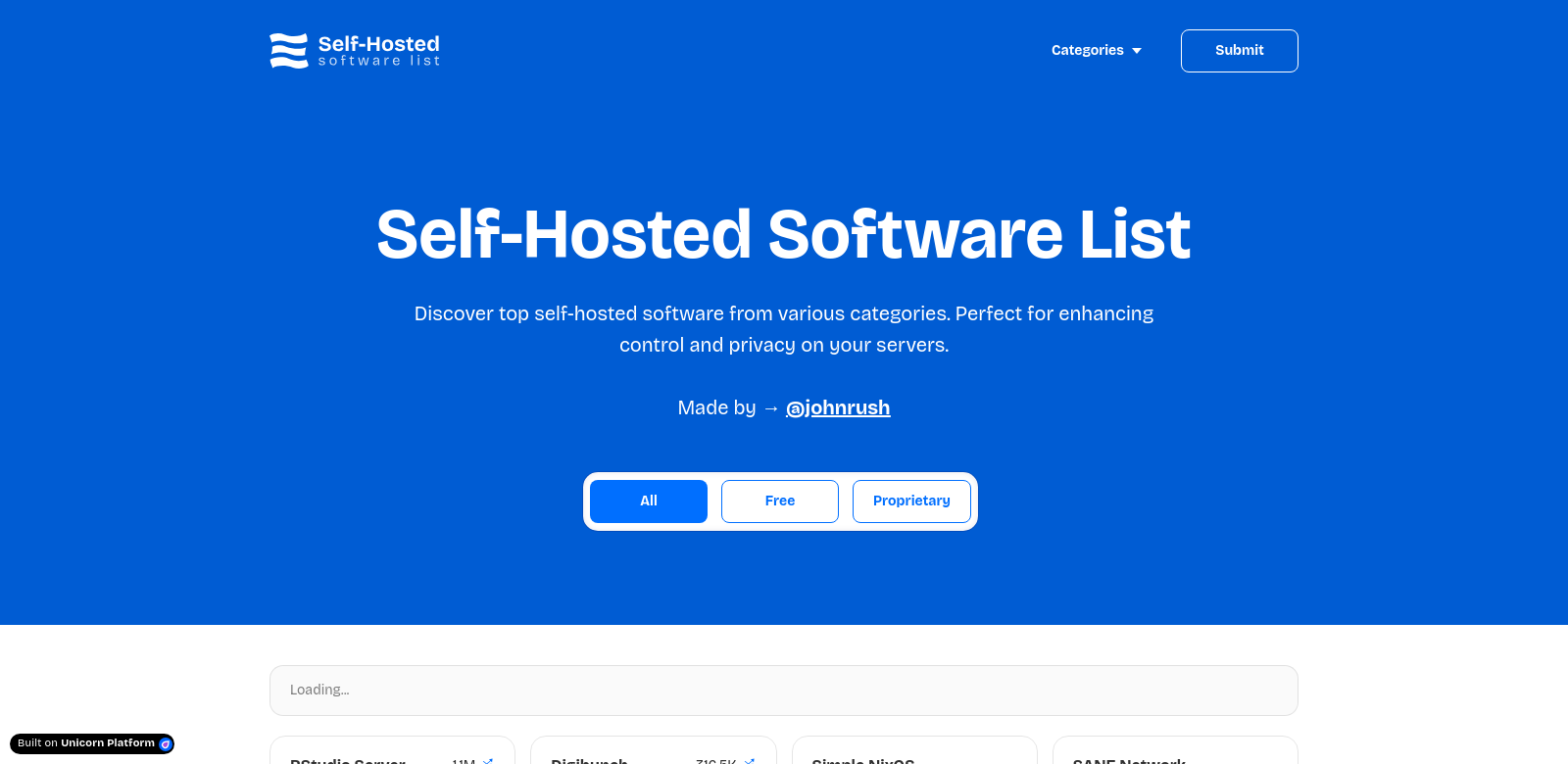
In a world where data privacy and control are everything, self-hosted software is becoming a big deal. These tools let you run applications on your own servers, which helps avoid the risks that come with relying on third-party services. This article looks at some of the best free and paid self-hosted software in different categories. We'll point out what makes them special and why they're so important for businesses and tech enthusiasts who want to keep their data under their own control.
Who Uses Self-Hosted Software?
Self-hosted software works for all sorts of people: individuals, small businesses, and even big companies. Knowing who uses this software helps us understand what it offers. Here are some typical users:
-
Small Business Owners: Small business owners care most about saving money and controlling their data. Self-hosted options protect their customer data and give them the flexibility to set up their software exactly how they need it.
-
Tech Enthusiasts and Developers: These folks love to dig into the newest tech and tweak it. They like open-source software because it's so flexible. Self-hosted tools let them experiment and even help build community projects.
-
Corporations with Data Sensitivity: Big companies have strict rules about data privacy. They use self-hosted software to meet those rules and keep sensitive information safe, which helps prevent breaches.
-
Freelancers and Solopreneurs: Freelancers usually work with tight budgets and need dependable tools to get things done. Self-hosted options can be cheaper than pricey SaaS (Software as a Service) subscriptions, and they often offer unique features that fit their specific business needs.
-
Non-Profit Organizations: Non-profits also run on tight budgets and need software that's accountable and transparent. Self-hosted tools let them stay in control without huge costs.
Problems Self-Hosted Software Solves
Self-hosted software tackles several common problems users face, mainly around data security, cost, and how much you can customize things.
Problems Self-Hosted Software Addresses
-
Data Vulnerability: Many organizations risk data breaches when they store their data with third-party services. Self-hosted options let users control where their data lives.
-
High Recurring Costs: SaaS subscriptions can get expensive over time. Self-hosted software, on the other hand, often means a one-time payment, which saves money in the long run.
-
Lack of Customization: Lots of software is rigid, built for general use. Self-hosted software lets you customize your tools to fit your exact needs, making things more efficient.
-
Dependency on Third Parties: When you rely on third parties, you risk service outages and sudden price changes. Self-hosting cuts out these dependencies, giving you more independence.
-
Limited Integration: Services that don't play well together can mess up your workflow. Self-hosted options usually integrate better with your existing tools, making processes smoother.
How Self-Hosted Software Helps
Self-hosted software offers solid answers to these common industry problems. Take Nextcloud, for instance. It lets you manage your files, calendars, and contacts without any third party getting involved. This type of software really makes the most of private hosting, keeping sensitive data secure and firmly in your hands. Plus, since many self-hosted solutions are open-source, the community constantly improves them. This means the software stays current and can handle new tech and security challenges as they come up.
Use Cases
You can use self-hosted software in many ways:
-
Document Management: Tools like Nextcloud or ownCloud help organizations manage documents securely on their own servers. This keeps data accessible but also private.
-
Customer Relationship Management (CRM): Platforms like SuiteCRM let businesses tailor their CRM to specific metrics and customer behavior. This helps them build better customer relationships.
-
Content Management: Self-hosted CMS tools like WordPress offer tons of customization. You can design your site and add features to match your brand and how you operate.
-
Server Management: Self-hosted apps like Webmin help IT admins manage servers remotely. They get fine-grained control over hardware settings and software setups.
-
Virtual Collaboration Tools: Tools like Mattermost make team collaboration easier, giving remote teams a secure place to communicate and get work done.
Top Features of Self-Hosted Software
Self-hosted software comes with lots of features designed to make things better for users and improve how operations run. Here are some key benefits:
-
Data Ownership: You own and control all your data, which cuts down on the risks of letting a third party handle it.
-
Customization Options: You can tweak software features and interfaces to fit your exact needs, making it more useful and functional.
-
Community Support and Development: Many open-source projects thrive on community help. This means quick updates and a shared pool of knowledge about best practices.
-
Better Security: Being able to set up your own security gives you a big edge in protecting sensitive information, which is super important these days.
-
Cost-Effectiveness: With lower upfront costs and no recurring subscription fees, businesses can use their money smarter and get a better return on investment.
Common Questions About Self-Hosted Software
-
What is self-hosted software? Self-hosted software means applications you install and run on your own servers or computers, rather than on a remote server managed by someone else.
-
What are the benefits of self-hosting software? Self-hosting offers several benefits: full control over your data, better security, cost savings, and the ability to customize the software to fit your organization's exact needs.
-
Is self-hosted software difficult to install? Installation difficulty varies a lot depending on the software. But many self-hosted solutions come with great documentation and community support to help you get set up.
-
Can self-hosted solutions scale as my business grows? Yes, many self-hosted solutions are built to scale. This means businesses can add more features or hardware as needed without having to switch to new software.
-
Are updates necessary for self-hosted software? Regular updates are crucial for security and performance. You should always follow best practices for checking and applying updates to your self-hosted apps.